Moving Antique Furniture in Islington: Fragile-Item Solutions
Antique furniture has a way of making a move feel a bit more serious than the usual boxes-and-bins shuffle. A Victorian sideboard with delicate veneer, a carved chair with loose joints, or a heavy oak cabinet with age-worn handles can't just be wrapped in a blanket and hoped for the best. Moving antique furniture in Islington takes planning, patience, and the right fragile-item solutions if you want to avoid scratches, splits, wobble, or that awful moment when a family piece arrives looking a little tired.
In a place like Islington, where homes can mean narrow staircases, tight hallways, basement access, top-floor flats, and the odd parking headache, the logistics matter just as much as the packing. This guide walks through what fragile-item moving really involves, how professional handling works, and which choices are most sensible if you're protecting valuable or sentimental pieces. You'll also find practical steps, common mistakes, and a realistic look at the support services that can make the whole thing much less stressful. To be fair, that's usually the point.
If you're planning a broader home move as well, it can help to look at home moves support in Islington alongside your antique furniture plan, especially if the move includes a lot of mixed items.
Table of Contents
- Why Moving Antique Furniture in Islington Matters
- How Fragile-Item Moving Works
- Key Benefits and Practical Advantages
- Who This Is For and When It Makes Sense
- Step-by-Step Guidance
- Expert Tips for Better Results
- Common Mistakes to Avoid
- Tools, Resources and Recommendations
- Law, Compliance, Standards, or Best Practice
- Options, Methods, or Comparison Table
- Case Study or Real-World Example
- Practical Checklist
- Conclusion
- Frequently Asked Questions
Why Moving Antique Furniture in Islington: Fragile-Item Solutions Matters
Antique furniture is vulnerable in ways that newer furniture often isn't. Old joints can loosen under vibration, veneers can lift when humidity changes, and historic finishes can mark very easily if they touch the wrong surface. Even a short move down the road can be enough to cause damage if the item is not handled properly.
In Islington, the physical setting adds another layer. Many properties have limited turning space, shared entrances, steep internal stairs, and restricted roadside access. A large dresser or console table may need to be rotated in a hallway with just a few inches to spare. That's where proper fragile-item solutions stop being a luxury and start being basic common sense.
There's also the emotional side. Antique pieces are often inherited, restored, collected over time, or tied to a particular room in the family home. A scratch on an old chest of drawers can feel much bigger than a scratch on flat-pack furniture. If a piece is valuable, the stakes are obvious. If it's sentimental, the stakes are even higher, honestly.
Good moving practice protects more than the furniture itself. It reduces stress, lowers the chance of delays, and helps the rest of the move stay on track. That matters whether you're relocating a single heirloom or a full house of treasured items. If you're arranging a larger household move, using experienced house removalists can help coordinate the heavier lifting around delicate pieces.
How Moving Antique Furniture in Islington: Fragile-Item Solutions Works
A proper fragile-item move follows a simple idea: assess, protect, move, and place. The detail sits inside each of those steps. Nothing especially glamorous, but that's what makes it reliable.
1. Assess the item before anything gets wrapped
The first step is a careful look at the piece. That means checking for loose joints, chipped edges, cracked glass, lifting veneer, old repairs, protruding hardware, and any weak points that might fail under movement. A good mover will also consider the item's size, weight, balance, and any awkward features like mirrors, drawers, or decorative feet.
Sometimes the safest move is to remove components before transport. Drawers may need to come out and be packed separately. A detachable mirror may need its own wrap. And if a piece has been repaired before, that changes how it should be lifted. Old repairs can be surprisingly fragile. You'd be amazed how often that comes up.
2. Use the right protective materials
Antique furniture usually needs more than a single layer of wrapping. Soft covers protect against dust and light scuffs, while thicker cushioning helps absorb contact during loading. Corners and edges often need extra attention because they're the first places to take a knock.
For delicate finishes, avoid anything abrasive or sticky against the surface. The aim is to protect the item without leaving marks, trapping moisture, or pulling at the finish when the wrap comes off. If you have polished wood, lacquer, marquetry, inlay, or gilded detailing, the wrapping plan should be even more careful.
3. Plan the route, not just the van
Moving antique furniture is not only about what happens inside the room. It's also about the route from the property to the vehicle and from the vehicle to the new home. Tight corners, low ceilings, wet pavements, poor lighting, and parked cars all change the plan.
In practice, this is where local knowledge helps. A crew that understands man and van services in Islington can usually make faster decisions about access, loading order, and whether a smaller vehicle or a second pair of hands is the smarter choice.
4. Load in a way that limits movement
Once the item is wrapped and ready, the vehicle should be loaded so the furniture cannot slide, lean, or bump into harder objects. Antique pieces are best kept separated from general household clutter. Heavy items should not be stacked on top of delicate ones. That sounds obvious, but let's face it, obvious doesn't always happen under time pressure.
Strapping, padding, and careful placement all matter here. The goal is not simply to fit everything in. It's to make sure the furniture stays stable for the whole journey.
5. Unload and position with equal care
Damage often happens at the end of the move, not the start. A piece can survive the journey and then get clipped on a door frame, dropped on a step, or set down too quickly in the wrong room. The final placement should be just as deliberate as the lifting.
If a piece needs reassembly, that should happen slowly and with the right fixings. No forcing, no "that'll do" moments. Antique furniture has a way of reminding you later if you rush it.
Key Benefits and Practical Advantages
Using fragile-item solutions for antique furniture brings benefits that are both practical and emotional. It's not just about avoiding disaster, although that's a pretty strong reason on its own.
- Less risk of physical damage: Proper wrapping and handling reduce scratches, dents, splits, and chipped detailing.
- Better protection for value: A well-kept antique generally holds more of its visual and collector appeal than one that's been knocked about.
- Less stress on moving day: Knowing the item has a clear handling plan makes the rest of the move feel more manageable.
- Smarter use of space and access: Careful planning helps with awkward stairwells, narrow terraces, and compact flats common around Islington.
- More efficient loading: When the team knows exactly what needs extra care, the vehicle can be arranged properly from the beginning.
There's also a quieter benefit: confidence. If you're moving a family heirloom or an expensive restoration piece, it helps to know the process has been thought through instead of improvised on the pavement outside your front door.
For larger or more complex moves, combining antique handling with packing and unpacking services can make the overall process feel much more controlled, especially when there are multiple fragile objects to manage at once.
Who This Is For and When It Makes Sense
This kind of service is for anyone moving furniture that cannot be treated as ordinary household cargo. That includes people moving a single item, a full room of antiques, or a mixed collection where one or two pieces need specialist care.
It makes particular sense if you are:
- moving inherited furniture with sentimental value
- relocating a restored or refinished piece
- transporting furniture with mirrors, glass inserts, or carved detailing
- moving from a flat with stairs or limited lift access
- combining antique furniture with a standard home move
- trying to move items without dismantling them unnecessarily
It also suits people who simply want fewer unknowns. If you're already juggling timing, parking, childcare, work calls, and the usual moving chaos, outsourcing the careful part can save a lot of friction. Truth be told, few people enjoy the heroic DIY approach when the item in question is older than their car.
If your move includes a vehicle hire element, removal truck hire can be a useful option where a larger, better-prepared vehicle helps keep fragile furniture separated and secure.
Step-by-Step Guidance
Here is a practical way to approach antique furniture moving without turning it into a drama.
- Measure the furniture and the route. Check height, width, depth, stair turns, door frames, and any tight landing points.
- Identify fragile features. Look for glass, loose handles, thin legs, lifting veneers, decorative trims, or previous repairs.
- Empty drawers and remove loose parts. Smaller components should usually be wrapped separately and clearly labelled.
- Wrap in layers. Use non-abrasive protection first, then cushioning, then outer coverage if needed.
- Protect corners and edges. These are the places most likely to catch on doorways or loading ramps.
- Lift with a plan. One person should call the move, especially on stairs or when turning the item.
- Load last if the item is especially delicate. That helps reduce time spent shifting it around the vehicle.
- Secure it so it cannot move. Movement inside the van is a common cause of damage, even on short journeys.
- Unload slowly and position carefully. Give yourself room to breathe at the destination.
- Inspect before unwrapping fully. Check for marks or loosened fittings while the item is still easy to handle.
A small but useful tip: take quick phone photos of the item before and after wrapping. Not for drama, just for clarity. If you're dealing with a particularly valuable piece, those photos help everyone stay on the same page.
Expert Tips for Better Results
Good results often come from a few simple habits done consistently. Not flashy, just solid.
Keep antique furniture away from heavy mixed loads
Antiques shouldn't ride beside loose tools, stacked boxes, or heavy domestic furniture that can shift. Even a small impact can leave a mark on soft timber or old varnish. Separate the precious stuff. It really does make life easier.
Use the right team size for the item
Some antique pieces are not particularly heavy but are awkward, which is often worse. A tall cabinet can be balanced by two careful people, while a lower but dense table might need more support. The right number of handlers matters more than brute strength.
Watch the weather and the flooring
A wet step, a bit of winter grit, or a shiny hallway floor can create problems fast. During colder or damper days, materials can also be more prone to condensation when moved between environments. Keep the route dry where possible, and don't rush the handoff at the door.
Be cautious with DIY polish or cleaning before the move
It can be tempting to "freshen up" a piece before it goes. Sometimes that helps. Sometimes it makes things worse. If you are not sure what the finish is, test very gently or leave it alone. Old wax and polish layers can be sensitive, and harsh cleaning products can do more harm than a bit of dust ever would.
Choose a vehicle setup that suits the job
For a single treasured item, a man with van arrangement can be the right balance of flexibility and care. For larger loads or mixed household moves, a bigger vehicle may be more practical. The point is to match the method to the furniture, not the other way around.
Ask about unpacking support if the piece is complex
Some antique items need careful reassembly, dusting, or re-positioning in the new space. If you're already tired by the end of moving day, having support with packing and unpacking can save you from a rushed finish.
Common Mistakes to Avoid
Most damage to antique furniture during moves comes from predictable errors. The good news is that they're avoidable.
- Wrapping too tightly: This can press against delicate finishes or trap stress at the corners.
- Using the wrong materials: Abrasive covers, sticky tape on the surface, and rough blankets can all leave marks.
- Ignoring the route: A perfect wrap won't save the piece if it gets clipped on a staircase.
- Forcing disassembly: If a drawer, leg, or mirror is not meant to come apart easily, don't push it.
- Letting items move inside the vehicle: Even slight shifting can cause rubbing or impact damage.
- Assuming all antiques are the same: A Regency chair and a heavy oak sideboard need very different handling.
Another common one? Leaving the vulnerable piece until last and then discovering the team is tired, the light is fading, and the front hall is full of boxes. It happens more often than anyone admits. If your antique is the item you care about most, treat it like the first priority, not the afterthought.
Tools, Resources and Recommendations
The right tools make a big difference, but the real value comes from how they're used. For antique furniture, the aim is always cushioning, stability, and control.
| Tool or Resource | What It Helps With | Why It Matters for Antiques |
|---|---|---|
| Soft wrapping materials | Initial surface protection | Reduces scuffing and contact damage |
| Padding and blankets | Shock absorption | Helps during lifting, loading, and transit |
| Corner protection | Edge safety | Important for frames, tables, cabinets, and mirrors |
| Straps and load securing | Movement control | Prevents shifting during the drive |
| Dollies or furniture movers | Reduced lifting strain | Useful, but only when the surface and route allow it |
| Clear labels and inventory notes | Organisation | Helps track parts, drawers, mirrors, and fixings |
For people moving a full house or a mix of large and delicate belongings, a broader service like moving truck support can give you a more stable setup than trying to squeeze fragile furniture into a too-small load plan.
If the antique piece is part of a larger collection or the move includes business interiors, the same care principles still apply. In those cases, a service such as commercial moves may be relevant where the job involves coordinated handling of valuable furnishings.
Law, Compliance, Standards, or Best Practice
For antique furniture moves, the main compliance concerns are usually practical rather than legal in the dramatic sense. The key expectations are safe lifting, careful vehicle loading, and responsible handling of property. In the UK, moving crews and customers alike should think in terms of reasonable care, clear instructions, and avoiding preventable damage.
If a team is moving items in shared buildings, they should also be mindful of communal areas, flooring protection, noise, and access arrangements. In Islington especially, that can mean being considerate with neighbours, entry systems, and parking restrictions. No one wants a move to become the whole street's problem.
Where insurance is concerned, it is sensible to ask how delicate or high-value items are treated before the move. Coverage, exclusions, and conditions can vary, so read the relevant terms rather than assuming everything is automatically covered. That is just the sober part of moving, really.
It also helps to choose a provider with clear business information and transparent policies. If you want to understand the company background or how it handles customer information and service terms, these pages may be useful: about the team, terms and conditions, privacy policy, and contact details.
Options, Methods, or Comparison Table
There is no single best way to move antique furniture. The right method depends on the item, the access, the distance, and how much time you have. Here's a simple comparison.
| Method | Best For | Strengths | Limitations |
|---|---|---|---|
| DIY move with borrowed vehicle | Very small, low-risk items | Low cost, flexible timing | Higher risk of poor packing and damage |
| Man with van | Single items or light household moves | Practical, efficient, easier for local routes | Not always ideal for multiple large antiques unless planned carefully |
| Specialist fragile-item move | Valuable, awkward, or sentimental pieces | Careful handling, better protection, less stress | Usually costs more than a basic move |
| Full-service home move | Whole-property relocations with antiques included | Good coordination and wider support | May feel broader than needed for a single item |
For a lot of people, the sweet spot is somewhere in the middle: a local, careful service that can handle both the antique and the practical realities around it. If the furniture is especially precious, a dedicated furniture collection option such as furniture pick-up can be a sensible fit for a single-item job or a small set of pieces.
Case Study or Real-World Example
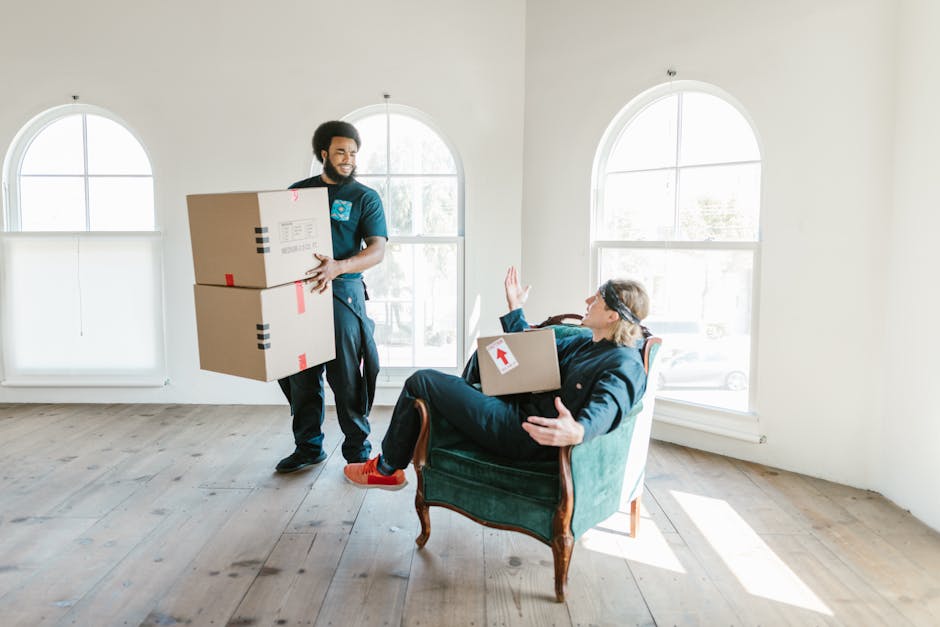
Imagine a typical Islington move: a third-floor flat, a narrow stairwell, and one oak sideboard that has been in the family for decades. The piece is heavy, but what makes it tricky is the height and the carved top rail. There's also a hallway mirror that makes turning space even tighter. Not ideal, but manageable with the right approach.
The move starts with measurements. The sideboard is assessed for loose handles and a slightly lifted edge on one drawer face. The drawers are emptied, wrapped separately, and labelled. Soft protection goes on first, followed by thicker padding around the corners. The route is checked from the flat to the vehicle, and the moving plan is adjusted so the piece is rotated at the landing rather than pushed blindly through the stairwell.
On arrival, the sideboard is placed in the van away from heavier household boxes. It is secured so it cannot slide on corners. At the new property, the final room is cleared before unloading. That one bit alone saves time and avoids the classic "where do we put this now?" pause.
The result? No drama, no scuffs, and no awkward repair conversation later. Fairly ordinary on paper. Quite a relief in real life.
Practical Checklist
Use this checklist before moving any antique furniture in Islington.
- Measure the furniture and all access points
- Identify fragile finishes, joints, glass, or loose fittings
- Decide whether drawers, mirrors, or legs should be removed
- Prepare soft wrapping and protective padding
- Protect corners, edges, and carved details
- Check the route for stairs, turns, low ceilings, or narrow halls
- Make sure the vehicle can secure the item properly
- Keep the antique separate from heavy mixed loads
- Label wrapped parts clearly
- Inspect the piece after delivery before unwrapping fully
Expert summary: antique furniture moves go best when the plan is based on the item's weaknesses, not just its size. Measure first, protect properly, keep it stable in transit, and give the unloading stage the same care as the lift. That's the whole game, really.
Conclusion
Moving antique furniture in Islington is not just about getting something from one address to another. It is about preserving condition, value, and memory while navigating the realities of local access, traffic, and tight living spaces. Fragile-item solutions matter because antique furniture rarely forgives rushed handling or casual packing.
With the right assessment, careful wrapping, stable loading, and a sensible route plan, even awkward or valuable pieces can be moved with far less risk. And if you're coordinating the whole move at the same time, the support choices around packing, vehicles, and household removal can make the difference between a stressful day and a surprisingly smooth one.
Get a free quote today and see how much you can save.
For a move that feels calm, careful, and properly managed, it helps to speak with a team that understands both the furniture and the local area. That peace of mind goes a long way on moving day.
Frequently Asked Questions
What is the safest way to move antique furniture in Islington?
The safest approach is to assess each item first, protect it with non-abrasive materials, secure loose parts, and plan the route carefully. For delicate or high-value pieces, a professional fragile-item service is usually the better choice.
Do antique furniture pieces need to be dismantled before moving?
Not always. Some pieces are safer left intact, while others benefit from partial dismantling such as removing drawers, mirrors, or detachable legs. The decision depends on the structure and condition of the furniture.
Can a man and van service handle antiques?
Yes, if the service is used carefully and the team is briefed on what needs extra protection. For a single item or a small load, a man and van option can work well, especially for local Islington moves.
How do I know if my antique furniture is too fragile to move myself?
If the item has loose joints, damaged veneer, glass sections, very thin legs, or significant sentimental or monetary value, it is usually better not to DIY it. Even if it seems manageable, the route and loading process can still create risk.
What packing materials are best for antique furniture?
Soft, non-abrasive wrapping, padded blankets, corner protection, and secure straps are the usual starting points. The exact combination depends on the finish and shape of the piece, but the priority is always protection without surface damage.
How much notice should I give for an antique furniture move?
As much as you can. A bit of lead time helps with measurements, access planning, and arranging the right vehicle or team size. If the piece is especially delicate, earlier planning is even more useful.
Is it worth using packing and unpacking services for antiques?
Yes, often it is. If your furniture includes fragile finishes, glass, or tricky reassembly, professional packing and unpacking services can reduce the chance of rushed mistakes.
What if my antique furniture is very heavy as well as fragile?
That combination is exactly why specialist care matters. Heavy antiques can still have vulnerable surfaces or joints, so they need both lifting support and surface protection. Weight alone never tells the full story.
Can antique furniture be moved in wet weather?
Yes, but extra care is needed. Wet steps, slippery floors, and damp air increase the risk of accidents and surface marks. Protection should be kept dry, and the route should be cleared before lifting begins.
Should I get insurance for antique furniture during the move?
It is sensible to ask about insurance and the conditions attached to it, especially for valuable items. Coverage can vary, so check what is included before the move rather than assuming everything is covered.
What is the difference between a standard furniture move and a fragile-item solution?
A standard move focuses on getting furniture from A to B efficiently. A fragile-item solution adds a higher level of planning, protective wrapping, careful handling, and secure loading for items that can be damaged more easily.
Who should I contact if I need help planning the move?
If you want to discuss the move, clarify your access issues, or ask about service options, it is best to use the contact page. If you'd like to know more about the company first, the about us page is a good place to start.