No Stair Access? Short-Term Storage Options in N1
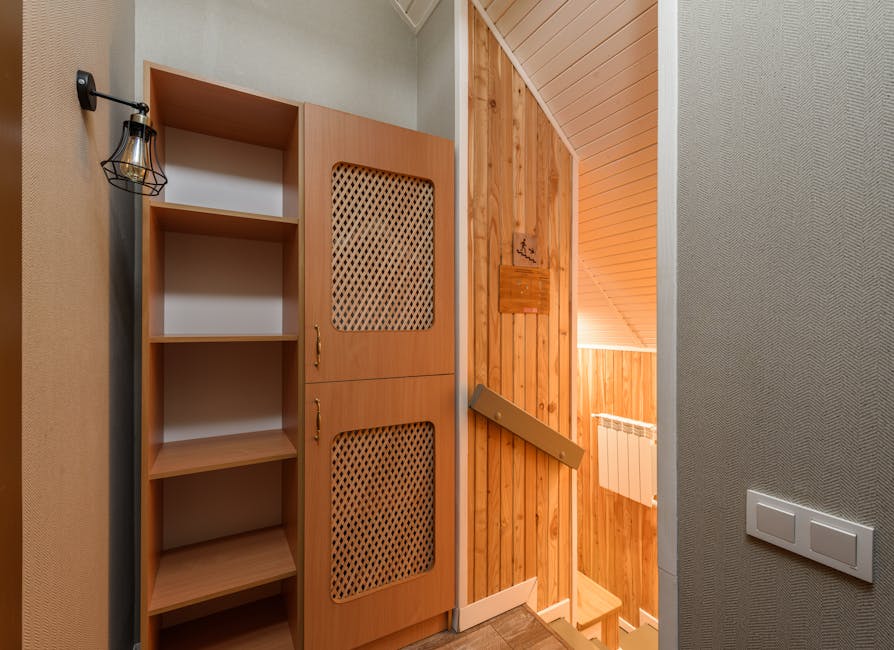
If you are dealing with a building that has no lift, a narrow staircase, or awkward access at the worst possible moment, you are not alone. Short-term storage can be the difference between a move that feels chaotic and one that actually stays under control. For people and businesses in N1, No Stair Access? Short-Term Storage Options in N1 is often the most practical way to bridge the gap between collecting items and getting them into the right place.
Maybe the sofa will not fit through the stairwell. Maybe the office desks are arriving before the new space is ready. Or maybe the flat move is happening in stages, and you simply need somewhere safe for furniture, boxes, and the bits you cannot carry up three flights at midnight. Whatever the reason, the right setup saves time, reduces damage, and keeps everyone a bit calmer. Let's face it, moving is stressful enough without wrestling a wardrobe on a landing.
In this guide, you will find how no stair access storage solutions work, who they suit, what to watch out for, and how to choose a sensible short-term option in N1. You will also find a simple checklist, a practical comparison table, and a real-world example to help make the decision less messy.
Practical summary: if stairs are the problem, do not force the move around them. Use short-term storage as a pressure-release valve, then bring items back in the right sequence when access is easier.
- Why it matters in N1
- How it works
- Key benefits and advantages
- Who it is for
- Step-by-step guidance
- Expert tips
- Common mistakes to avoid
- Tools, resources and recommendations
- Law, compliance and best practice
- Options and comparison table
- Case study
- Practical checklist
- Conclusion
- Frequently asked questions
Why No Stair Access? Short-Term Storage Options in N1 Matters
No stair access sounds like a small issue until you are standing outside with a heavy mattress, a washing machine, or a stack of archive boxes and realise there is simply no sensible way up. In a place like N1, where you will find a mix of period conversions, compact apartments, office buildings, and older properties, access can be the real bottleneck. Not the packing. Not the van. Access.
Short-term storage matters because it gives you options when the route inside is limited, unsafe, or unavailable. A top-floor flat with a tight staircase can turn a straightforward delivery into a frustrating puzzle. Likewise, office relocations can be disrupted when fit-out work is running late, lifts are booked, or the new floor is not fully ready. Storage allows the move to happen in phases rather than all at once.
There is also the damage factor. Forcing items around corners or over bannisters is a quick way to scuff walls, split furniture, or injure someone's back. That is not fearmongering; it is just common sense. If the access is poor, then the move plan should change, not the furniture.
For local residents, no stair access storage is especially useful when you are dealing with:
- upper-floor flats in older buildings
- basement or split-level homes with awkward turns
- office premises with restricted lift access
- shared buildings with tight time slots for deliveries
- temporary works, decorating, or landlord access delays
Short-term storage also helps with timing. Sometimes the issue is not stairs alone; it is that the keys are not ready, decorators are still on site, or you are moving out before the new place is live. In other words, the storage is not just storage. It is breathing room.
Table of Contents
- Why No Stair Access? Short-Term Storage Options in N1 Matters
- How No Stair Access? Short-Term Storage Options in N1 Works
- Key Benefits and Practical Advantages
- Who This Is For and When It Makes Sense
- Step-by-Step Guidance
- Expert Tips for Better Results
- Common Mistakes to Avoid
- Tools, Resources and Recommendations
- Law, Compliance, Standards, or Best Practice
- Options, Methods, or Comparison Table
- Case Study or Real-World Example
- Practical Checklist
- Conclusion
- Frequently Asked Questions
How No Stair Access? Short-Term Storage Options in N1 Works
The process is simpler than many people expect. At a basic level, you collect items from the current property, move them into storage for a short period, and then deliver them once access improves. The details matter, though, because the quality of the handover affects how smoothly the whole move goes.
In a typical setup, the moving team assesses what needs to come out, what can be dismantled, and what should be loaded first to avoid awkward handling. If the building has no lift or stairs are too tight, items are usually carried directly to a vehicle and then into storage. For larger or heavier pieces, a moving truck or a dedicated removal vehicle can make a big difference, especially where parking and timing are limited.
If you need help at both ends, services such as man and van support for awkward access moves or a larger moving truck can be a practical fit. If the job involves dismantling beds, wrapping fragile pieces, or prepping office equipment for temporary holding, packing and unpacking services can take some of the pressure off.
Short-term storage itself should be organised so that your items can be retrieved in the right order. That sounds obvious, but it is where many people trip up. Put the things you will need first near the front, label clearly, and keep one simple inventory. If you are storing commercial items, the same logic applies, except the consequences of poor organisation are usually worse. Missing cables in a home move are annoying; missing the only monitor for the finance team is a different story.
How long is "short-term"? Usually, it means days or weeks rather than months, but the right timeframe depends on your move schedule. The key is flexibility. You want a solution that can absorb delays without creating new problems.
Key Benefits and Practical Advantages
The biggest benefit is obvious: you are no longer trapped by poor stair access. But there is more to it than convenience. Used well, short-term storage can improve safety, protect belongings, and make a move feel much more controlled.
Less risk of damage
Heavy furniture, mirrors, and awkward items are most vulnerable when they are being forced through tight routes. Storage allows you to move in a safer sequence, with fewer desperate turns on a landing and less chance of bumping walls or splitting joinery.
Better planning for staged moves
Sometimes the move has to happen in stages because the new property is not ready. Storage bridges that gap. It is especially useful for families, landlords, small businesses, and anyone managing a property chain. You can move the essentials first and deal with bulky items when there is space to think.
Reduced pressure on moving day
There is a noticeable difference between a rushed, all-or-nothing move and one with a planned storage stop. You will notice it in the tone of the day as much as the logistics. People are calmer. Decisions are better. Even the tea tastes better, somehow.
More flexibility for business moves
Commercial moves are rarely neat. Fit-outs slip, IT teams need access windows, and furniture deliveries arrive at awkward times. If you are coordinating an office relocation, temporary storage can keep desks, filing, stock, and equipment safe until the space is ready. For that kind of move, office relocation support and commercial moves help are often worth considering together.
Less dependence on perfect access
To be fair, perfect access is rare in N1. Streets are tight, parking can be awkward, and stairwells are not always built for modern furniture. Storage gives you a workaround when the building itself is the limitation.
Who This Is For and When It Makes Sense
This option is not only for people in difficult buildings. It is for anyone whose move would be improved by separating collection from final placement. That includes households, students, landlords, office managers, and people between properties.
Home movers
If you are moving from or into a flat with no lift, or the stairway is too narrow for larger pieces, storage can prevent a lot of frustration. It is particularly useful for sofas, wardrobes, beds, and dining tables. A straightforward move can become oddly difficult fast, and one bad turn can change the mood of the whole day.
If you are organising a residential move, home moving support or house removalists may help with the lifting, loading, and timing side of things.
Small businesses and offices
Office teams often need short-term storage during refurbishments, lease changes, or staggered relocation plans. It is useful for desks, chairs, branded stock, printers, archive boxes, and spare IT equipment. If one floor is ready and another is not, storage can keep the operation moving without crowding the workplace.
Students and shared households
Students in N1 often move in and out on tight schedules, and shared properties can have awkward access even when the move itself is small. Short-term storage is handy if one room is ready before another, or if there is a gap between tenancies.
Anyone waiting on repairs or decorating
Sometimes the stairs are not the problem in isolation; the issue is that the room you want to use is being painted, repaired, or fitted out. Storage stops furniture from sitting in the hallway for two weeks. Which, honestly, is a victory on its own.
Step-by-Step Guidance
If you want to make this work properly, do not start with the van. Start with the sequence. The order matters more than people think.
- Identify the access issue clearly. Is it no lift, narrow stairs, a turn too tight for large furniture, or a temporary blockage? Be specific. "Bad access" is a bit vague when you are trying to plan a move.
- Sort items into three groups. Keep, store, or move directly. This stops everything becoming one giant pile of uncertainty.
- Measure the awkward pieces. Height, width, depth, and any fixed parts such as handles or legs. A sofa may fit in theory and fail in reality because of one extra centimetre.
- Decide what needs dismantling. Beds, shelves, and modular furniture often travel better when taken apart. Keep fittings in labelled bags.
- Choose the transport method. For light loads, a smaller van may be enough. For bulky or mixed loads, a truck is more efficient. If you need a reliable option for loading and transport, removal truck hire can be a sensible part of the plan.
- Prepare items for storage. Wrap fragile surfaces, protect corners, and keep moisture-sensitive items off the floor where possible. Cardboard alone is not always enough.
- Label everything clearly. Mark boxes by room, priority, and contents. If you hate this part, you are not alone, but it saves time later.
- Write a simple inventory. Even a rough list helps when you are returning items after a few days or weeks.
- Plan the return journey. Decide what comes back first. Essentials, then furniture, then the rest. No one enjoys hunting for the kettle in three different stacks.
If you are using a collection-and-storage approach, it can help to ask about furniture handling too. A service like furniture pick up can be useful when large pieces need to be removed without drama.
Expert Tips for Better Results
Experience teaches you a few things that are easy to miss on paper. Here are the ones that tend to matter most.
- Keep the essentials separate. Put chargers, documents, a kettle, toiletries, and a change of clothes somewhere you can reach them without opening half the boxes in the room.
- Protect corners and edges. Stairwells are unforgiving. One scrape on a painted wall can become a longer conversation than anyone wants.
- Use consistent labels. "Kitchen 1" and "Kitchen box" are not the same system, however innocent that may seem at 7:30 in the morning.
- Load by retrieval order, not by size only. The first things you need later should be the easiest to access.
- Keep damp-sensitive items away from risk. Paper, textiles, and untreated wood all need a bit more care than people often give them.
- Allow time buffers. In N1, parking, access, and timing issues can appear suddenly. A buffer stops small delays from becoming a full mess.
A small practical tip from real life: place one clearly marked "open first" box in the van or at the front of storage. It should hold keys, tape, a utility knife, and whatever you always need before the rest is unpacked. Tiny thing. Massive help.
Common Mistakes to Avoid
A lot of storage headaches are caused before the items even leave the property. The most common mistakes are pretty predictable, but they are still worth naming.
Assuming everything will fit through the stairs anyway
People often try a "let's just see" approach with large furniture. That can work, but it often ends with a sofa stuck halfway down a staircase while everyone becomes very quiet. If the measurements look tight, believe the measurements.
Not checking access at both ends
It is not enough to know the current property is awkward. The storage location, loading point, and return drop-off also need to be manageable. Problems have a way of multiplying when this gets ignored.
Packing too late
If boxes are still open while the van is waiting, you are burning time and energy. Start earlier than feels necessary. Annoying advice, I know. Still true.
Failing to label priorities
If all boxes look identical, the first night in the new place becomes a scavenger hunt. Mark the essentials plainly.
Ignoring weight distribution
One heavy box packed with books can crush weaker items below it. Balance matters, especially when storage is only temporary and you want everything back in decent shape.
Leaving the return move vague
Short-term storage works best when you already know how items will come back out. Without that plan, the "temporary" part has a habit of stretching.
Tools, Resources and Recommendations
You do not need a warehouse of specialist gear to do this well. A few sensible tools make a huge difference.
- Strong boxes in consistent sizes for easier stacking
- Packing tape and markers for clear labelling
- Furniture blankets or wraps to reduce scuffs and scratches
- Protective covers for mattresses and soft furnishings
- Flat-pack bags or envelopes for screws, fittings, and assembly parts
- Simple inventory sheet for keeping track of stored items
- Trolley or sack truck where access and weight allow it
As for services, the best mix depends on your situation. A smaller household move might work well with man with van support, while a bigger or more complex one may suit a truck and a fuller crew. If you need both transport and handling, it is worth matching the team to the access problem rather than the other way round.
For customers who want a clearer starting point, you can learn more about the company background on the about us page or get in touch through the contact page if you want to talk through the move before committing. If you are comparing service terms, the terms and conditions and privacy policy are worth a read too. Not thrilling, perhaps, but useful.
Law, Compliance, Standards, or Best Practice
For moves involving access issues, the main thing is not a single dramatic rule but careful, sensible practice. In the UK, anyone handling furniture, lifting goods, or transporting items should take safety seriously, especially where stairs, narrow landings, or heavy loads are involved. That means planning the route, using suitable equipment, and not asking one person to do something that clearly needs two.
Best practice usually includes:
- checking weight and size before lifting
- avoiding blocked walkways and unsafe manual handling
- using protection for floors, walls, and door frames
- ensuring items are packed securely for transit and storage
- keeping the moving team informed about fragile or awkward items
If you are moving office equipment, electrical items, or confidential materials, it is also sensible to think about safe handling and privacy. Boxes should be sealed, access should be controlled, and only the right people should know what is inside sensitive containers. Common sense, really, but it can save trouble later.
For business customers, this matters even more when a move is tied to a lease end date or operational deadline. A storage gap is fine if it is planned. It is less fine if no one knows where the IT kit is.
Options, Methods, or Comparison Table
There are several ways to handle no stair access in a short-term move. The right one depends on volume, urgency, and how awkward the building is. Here is a simple comparison.
| Option | Best for | Strengths | Limitations |
|---|---|---|---|
| Direct carry with small team | Light loads, few items, manageable stairs | Simple, quick, often cost-conscious | Not ideal for bulky furniture or tight turns |
| Man and van with storage stop | Mixed household loads, short gaps between moves | Flexible, practical, good for staged moves | May need more time for heavy or awkward items |
| Truck-based removal with storage | Larger homes, office moves, bigger furniture | Better for volume, more efficient loading | Needs space and careful scheduling |
| Dismantle, store, and redeliver | Large furniture or access-restricted properties | Reduces damage risk, easier through narrow access | Requires good labelling and reassembly planning |
In practice, many people use a blend of these methods. A chest of drawers might go straight through, a bed frame might be dismantled, and a bulky sofa might be stored until the new property is ready. There is no rule saying every item has to follow the same path. That is one of the quiet advantages of short-term storage.
Case Study or Real-World Example
Consider a family moving from a second-floor flat in N1 into a new property where the keys are delayed by a week. The staircase in the old building is narrow, with a turn that makes the sofa awkward even before you factor in the landing. The family also has two beds, a dining table, six boxes of books, and a few fragile lamps.
Instead of trying to squeeze everything through in one stressed-out rush, they split the move into phases. Essentials go first: clothes, bedding, kitchen basics, documents, and a small table. Bulky furniture is dismantled where possible, wrapped carefully, and moved into short-term storage. The team labels parts, keeps fittings together, and places the items they will need earliest near the front.
A week later, when the new property is ready, the return move is much calmer. The beds go in first, then the sofa, then the dining table. The family is tired, yes, but not frazzled. No damaged plaster. No missing bolts. No one has to stand on the stairs pretending everything is fine while secretly panicking. That is the real win.
This kind of staged approach also works for businesses. An office can move in phases around fit-out work, or a shop can temporarily store stock and fixtures while access is being finalised. The principle stays the same: use storage to remove the pressure from the access problem.
Practical Checklist
Use this checklist before you book anything or start loading boxes.
- Measure the awkward items and check stair widths, turns, and ceiling height where relevant.
- List what must be stored versus what can go straight to the new property.
- Decide whether furniture needs dismantling.
- Gather packing materials before moving day, not halfway through it.
- Label boxes by room and priority.
- Prepare an "open first" kit with essentials.
- Confirm the transport method fits the size of the load.
- Plan loading order for retrieval later.
- Keep fragile and moisture-sensitive items protected.
- Check the return timeline so storage does not drift longer than needed.
If you can tick off most of that list, you are already ahead of the game. Honestly, a little planning goes further than most people expect.
Get a free quote today and see how much you can save.
Conclusion
No stair access does not have to derail a move in N1. With short-term storage, you can work around narrow staircases, delayed keys, unfinished spaces, and bulky furniture without forcing the issue. That means fewer scratches, less heavy lifting stress, and a move that feels more deliberate than frantic.
The best results usually come from a simple approach: measure first, pack well, label clearly, and match the transport method to the real access challenge. If you do that, short-term storage becomes less of a fallback and more of a smart move in its own right.
And sometimes, that is all you need - a sensible pause between one place and the next. One small buffer. Big difference.
Frequently Asked Questions
What does no stair access mean in a storage or moving context?
It usually means the property has no usable staircase for moving items safely, or the stairs are too narrow, steep, awkward, or restricted for the furniture you need to move. It can also mean access is technically available but not practical for larger pieces.
Is short-term storage a good solution for a flat with no lift?
Yes, very often. If bulky items cannot be moved safely straight into the property, short-term storage lets you handle the move in stages and bring items in once access is easier or support is available.
How long counts as short-term storage?
It generally means a temporary hold lasting days or weeks rather than months. The exact timing depends on your move, your access issues, and how quickly the next property becomes ready.
What items are most likely to need storage because of stair access problems?
Sofas, wardrobes, beds, dining tables, desks, washing machines, and large boxes are common problem items. Anything heavy, wide, tall, or difficult to turn on a landing may need storage or dismantling.
Should I dismantle furniture before putting it into storage?
Often, yes. Dismantling can make bulky items easier to carry through tight access and easier to store compactly. Just keep fittings, screws, and small parts together in clearly labelled bags.
Can office moves use short-term storage too?
Absolutely. Office relocations often involve staggered schedules, fit-out delays, or limited access windows. Short-term storage can keep desks, equipment, and stock safe until the space is ready.
How do I keep my items organised in storage?
Use consistent labels, keep a simple inventory, and place priority items where they can be reached first. It is also smart to group items by room or department, so retrieval later is much easier.
What should I pack separately for the first day in the new place?
Keep documents, chargers, toiletries, a kettle, basic kitchen items, bedding, and a change of clothes separate. In our experience, an "open first" box saves a lot of running around.
Is a man and van service enough for no stair access moves?
Sometimes, yes, especially for smaller or lighter moves. For heavier loads, more awkward furniture, or larger volumes, a bigger vehicle or fuller removal setup may be more practical.
What is the biggest mistake people make with short-term storage?
The biggest mistake is not planning the return move. People focus on getting items out, then realise later they have not labelled anything properly or decided what needs to come back first.
Do I need to worry about the condition of items in temporary storage?
Yes, but a sensible packing approach goes a long way. Wrap fragile surfaces, avoid damp exposure, and make sure items are stored securely. Short-term storage should protect items, not just hold them.
How do I know whether I need storage or just a bigger vehicle?
If the problem is only transport volume, a bigger vehicle may be enough. If the problem is access, timing, or the property not being ready, storage is usually the better answer because it solves the gap rather than just the journey.
For anyone in N1 dealing with tight stairwells or delayed access, the smartest move is usually the calmest one.