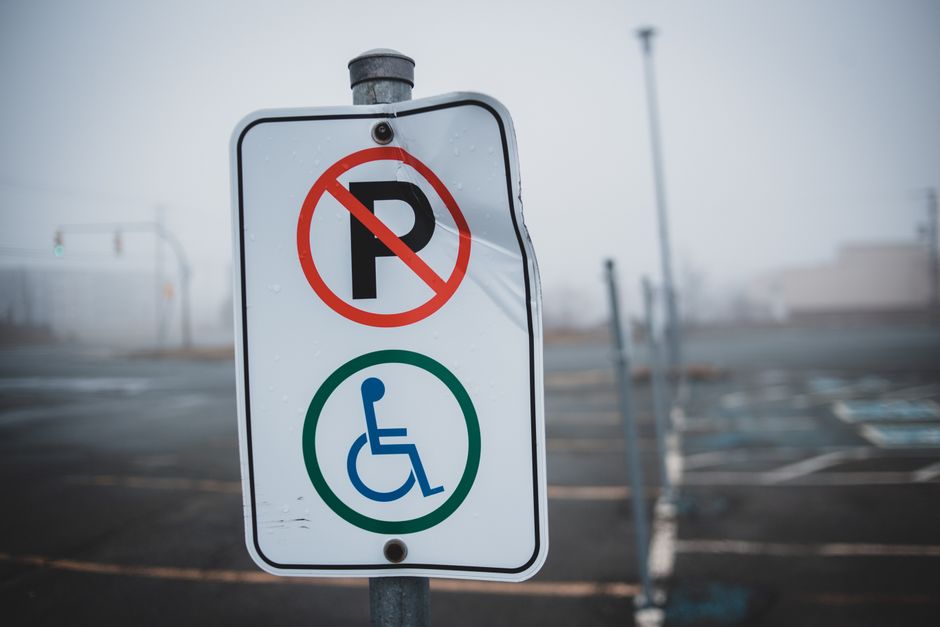
Parking Suspensions & Yellow Line Rules for Moving Day
Moving day already comes with enough to think about: boxes, keys, lift access, and the slightly alarming feeling that something important will definitely be forgotten. Parking is one of the easiest things to underestimate, and one of the quickest ways to turn a decent move into a stressful one. Parking suspensions & yellow line rules for moving day matter because the van still needs somewhere legal and practical to stop, unload, and get out again without drama.
If you have ever watched a driver circle the block while everyone else stands on the pavement holding a sofa cushion, you will know the feeling. A few minutes of planning can save you fines, wasted time, and a lot of awkward shuffling at the kerb. This guide explains how parking suspensions work, what yellow lines usually mean on moving day, and how to plan a move that stays calm, legal, and workable.
- Why this matters on moving day
- How parking suspensions and yellow line rules work
- Key benefits and practical advantages
- Who needs this and when it makes sense
- Step-by-step guidance
- Expert tips for better results
- Common mistakes to avoid
- Tools, resources and recommendations
- Law, compliance, standards, and best practice
- Options and comparison table
- Real-world example
- Practical checklist
- Conclusion
- Frequently asked questions
Why Parking Suspensions & Yellow Line Rules for Moving Day Matters
Parking is not just a background detail on moving day. It controls how close the vehicle can get to the property, how quickly the crew can work, and whether the whole operation stays within local rules. In busy London streets, space is tight. A single bad parking decision can mean carrying a wardrobe farther than planned, blocking traffic, or risking a penalty notice. Not ideal, to put it mildly.
Yellow lines are often misunderstood because people treat them as "just a quick stop" space. In reality, the rules depend on the type of restriction, the time of day, and any loading allowance shown on nearby signs. Parking suspensions add another layer. If a bay or section of kerb is suspended, it may be reserved for works, emergency access, or another temporary purpose, and using it can be treated as a clear breach.
For a move, this matters because the vehicle may need to wait while you unlock the door, or it may need longer loading time than a normal visitor would expect. That is especially true for larger jobs, like a full house move, an office relocation, or a heavy furniture pick-up. A little planning helps you avoid the classic moving-day shuffle: driver waiting, neighbours annoyed, boxes sweating in the hallway, and everyone pretending they are not stressed.
If your move includes more than a few boxes, parking should be treated as a job in its own right. It is not glamorous. It is, however, one of the highest-value details you can get right.
How Parking Suspensions & Yellow Line Rules for Moving Day Works
At a practical level, there are two separate things to understand: temporary parking suspensions and yellow line restrictions.
Parking suspensions are temporary restrictions placed on a bay or stretch of road. They are often used to keep space clear for roadworks, utilities, removals, loading access, or other operational needs. If a suspension is in place, the suspended area is not available for normal parking, even if the space would otherwise look empty.
Yellow line rules are about waiting and parking restrictions along the kerb. The exact rule depends on local signage and the type of line. Single yellow lines usually carry timed restrictions. Double yellow lines usually mean no parking at any time, though short loading or exempt activity may sometimes be allowed depending on the local traffic order and signage. That phrase "may be allowed" matters a lot. You always want to check the local signs rather than assuming.
For moving day, the common issue is loading and unloading. In some places, loading on yellow lines can be permitted for a short period if it is continuous, necessary, and not causing obstruction. In others, it may be restricted or tightly controlled. The safest mindset is simple: do not treat a yellow line as a free pass. Treat it as a warning that needs checking.
Timing also matters. A suspension that starts at 8:00 a.m. is not the same as one that starts at midday. A yellow line that allows loading for a short window in the morning may be tighter later in the day. A moving crew arriving late because of traffic on the North Circular, or just the everyday pulse of London streets, can easily miss that window. That is when things get messy.
In our experience, the best moves are the ones where parking is planned before the boxes are even taped. Not after. Definitely not after.
Key Benefits and Practical Advantages
Getting parking right for moving day does more than prevent a ticket. It improves the whole pace of the move and reduces the number of small problems that pile up into big ones.
- Faster loading and unloading: A legal stopping point close to the entrance saves repeated carrying up and down stairs.
- Less risk of penalties: You reduce the chance of a parking fine, a warning, or a forced move from the space.
- Better protection for furniture: Shorter carrying distances mean less chance of knocks, rain damage, or accidental scrapes on the way in.
- Lower stress for everyone: The driver can focus on access and safety instead of circling for space.
- Cleaner neighbour relations: Nobody enjoys blocking a driveway or sitting half on the pavement during a busy morning.
There is also a safety angle that people overlook. A van parked awkwardly can create blind spots, narrow the road, or make it harder for pedestrians, cyclists, and other cars to pass. If you are moving in a crowded street, this matters a lot. It is not just about convenience; it is about being considerate and reducing the chance of damage or complaints.
For business moves, the advantages are even clearer. Time lost to parking issues can affect opening hours, staff disruption, and access for equipment. That is one reason commercial moves and office relocations benefit from more structured planning. If you are relocating a workspace, it is worth looking at commercial moving support or dedicated office relocation services so the parking plan matches the size of the job.
Who This Is For and When It Makes Sense
Pretty much anyone moving on a street with limited parking should take this seriously, but some situations make it especially important.
- Flat moves in dense streets: Think terraces, mansion blocks, converted houses, or anywhere the van cannot easily sit outside for long.
- House moves with larger furniture: Bigger items need closer access and a predictable route.
- Office moves: Business relocation tends to involve tighter timing and more people waiting around.
- Last-minute moves: If you have not had time to scout the area properly, parking control becomes even more important.
- Moves involving loading bays or permit zones: These are the ones where assumptions cause trouble fastest.
It also makes sense if you are arranging help from a man and van or a man with van service. Smaller vehicles can sometimes fit more easily into tight streets, but they still need lawful access. Smaller does not mean invisible. Councils and enforcement teams do not generally give a free pass because the van is tidy.
If you are dealing with heavy, awkward, or awkwardly heavy items, moving support can make the planning easier too. Some people pair parking planning with packing and unpacking services so the whole chain, from front door to vehicle, runs more smoothly. That is the kind of small efficiency that saves your back as well as your temper.
Step-by-Step Guidance
Here is a practical way to handle parking for moving day without overcomplicating it.
- Check the street outside the property early. Look at yellow lines, bays, signage, and any time plates. Do this before move day if you can.
- Identify where the vehicle will actually stop. Don't just think about the front door. Think about the turning space, the road width, and how the van will leave again.
- Confirm whether any suspension applies. If a bay is suspended, make sure nobody plans to use it by mistake. It happens more often than people think.
- Work out the loading route. The shortest route is not always the safest. Watch for stairs, narrow hallways, shared entrances, and awkward kerbs.
- Choose the right vehicle size. A vehicle that is too large may block too much road space, while one that is too small creates extra trips. If needed, consider moving truck options or removal truck hire.
- Allow time for loading and unloading. Moving is rarely as fast as people hope. Build in a buffer for lifts, neighbours, traffic, and the occasional missing key.
- Tell everyone involved what the parking plan is. Driver, movers, and anyone at the property should know where the van is meant to go.
- Have a backup plan. If the space is taken or restricted, know where the next legal option is before the panic sets in.
A small practical tip: if you are moving in a residential street, try to visit at roughly the same time of day as the move itself. Morning and afternoon parking can feel like two completely different streets. The quiet one at 10 a.m. may be absolute chaos by 3 p.m.
Expert Tips for Better Results
The best moving-day parking plans are boring in the right way. They do not rely on luck. They do not assume the best. They are built around a few sensible habits.
- Prioritise legal stopping space over convenience. A slightly longer walk is better than a parking issue that stops the move.
- Use clear communication. If the driver needs access to the rear or side of a property, tell them in advance. No guessing games.
- Protect the loading window. If there is a loading allowance, use it efficiently. Get the heavy items out first.
- Keep documents handy. If a permit, booking reference, or confirmation exists, have it ready. Not buried under towels.
- Assign one person to parking decisions. Too many people making quick calls can lead to confusion. One point of contact is cleaner.
One thing we often see is a household trying to save time by squeezing the van into a space that looks "probably fine". The problem is that moving day is already full of uncertainty. Parking should be the one part that feels settled. If it looks marginal, it probably is.
And yes, sometimes the polite thing is also the practical thing: a quick conversation with a neighbour about temporary access or a driveway can save a lot of awkwardness later. People are often more reasonable than you expect, especially if you ask before the van is nose-to-bumper in front of their gate.
Common Mistakes to Avoid
Most parking problems on moving day come from a handful of avoidable mistakes. The good news? They are easy to spot once you know them.
- Assuming yellow lines are always usable for loading. They may not be, depending on local restrictions and signs.
- Ignoring suspension notices. If an area is suspended, the empty space still is not yours to use.
- Leaving parking planning until the morning of the move. That is how good plans turn into improvisation.
- Blocking access without realising it. Even if you are only stopping "for a minute", you may obstruct residents, businesses, or emergency access.
- Choosing a van that is too large for the street. The vehicle should fit the road, not just the load.
- Not checking return restrictions. A space might be okay at arrival time but not later in the day.
One especially common slip is forgetting that unloading time can stretch. A move that begins with a few quick boxes often ends with five trips, a dismantled bed, and someone hunting for screwdriver bits. That is not a complaint; it is just how real moves go.
There is also the "we'll be fine if we're quick" mindset. Quick is helpful. Legal is better. Both together is the sweet spot.
Tools, Resources and Recommendations
You do not need a complicated toolkit to handle moving-day parking well, but a few simple resources make life easier.
- A printed move plan: Include the address, access notes, parking location, and the sequence of stops.
- Phone photos of signs and road markings: Handy if you need to double-check restrictions later.
- A checklist for the front-of-house team: Who opens the door, who guides the driver, and who handles the final walk-through.
- A tape measure or rough size estimate: Useful when deciding whether the vehicle can safely fit at the kerb.
- Protective gear and trolleys: If the parking spot is a little farther away than hoped, you will be glad you brought them.
If your move includes bulky items, a service like furniture pick-up can be useful when you need a clean, efficient loading process and do not want to make repeated trips with heavy pieces. For homes, you may also want to review home moving support or house removalists if you prefer a more managed approach.
For business customers, the same logic applies. A well-run parking plan is part of a well-run move. It is unglamorous, yes, but so is standing on the kerb trying to guess if the van can safely stop there. Nobody enjoys that part.
Law, Compliance, Standards, or Best Practice
Parking rules vary by location, and the exact terms are usually set by local traffic orders and street signage. That means the safest approach is to rely on the signs on the day, the marked restrictions, and any permit or suspension information tied to the location. Do not assume that one street behaves like the next street over. In London, that is a surprisingly bad bet.
For moving day, best practice is straightforward:
- check the signs before unloading starts;
- avoid parking in suspended bays or restricted areas;
- keep loading continuous if a loading exemption is being used;
- do not block dropped kerbs, driveways, or access points;
- be prepared to move if enforcement officers, residents, or access needs make the space unsuitable.
Where uncertainty exists, treat caution as part of the plan. That is not overkill; it is just sensible. If you are arranging a larger job, using professional help can reduce the risk of a mismatch between the vehicle, the street, and the timing. Services such as man and van or removal truck hire can be useful when matched properly to the location and access.
One more point: parking enforcement is not something to "see how it goes" with. If the road has active restrictions, the safest approach is to respect them and plan around them. That simple.
Options, Methods, or Comparison Table
When planning a move, you usually have a few parking approaches available. Each one has strengths and trade-offs.
| Option | Best for | Pros | Watch-outs |
|---|---|---|---|
| Street parking outside the property | Shorter moves, quieter streets, predictable access | Fast loading, simple route, minimal carrying distance | Can be unavailable, restricted, or too narrow for larger vehicles |
| Temporary use of a legal loading bay | Moves with decent signage and clear loading rules | Purpose-built for loading, often close to the entrance | Time-limited, may need checking for suspensions or local restrictions |
| Pre-arranged suspension or controlled space | Busy streets, larger removals, commercial moves | More certainty, better access, less improvisation | Requires planning and, often, advance coordination |
| Parking farther away and using trolleys | Tight streets, limited access, smaller loads | Flexible if direct access is impossible | Slower, more handling, extra physical effort |
If you want the simple rule of thumb: the closer the vehicle can legally stop, the smoother the move tends to be. But if the closest spot creates a rule problem, choose the safer option and work outward. A slightly longer carry is a nuisance; a parking penalty is worse.
Case Study or Real-World Example
Here is a realistic moving-day scenario. A family is moving from a second-floor flat on a busy London street. The road has single yellow lines with time-based restrictions, and there is a suspended bay near the property because of nearby works. The move is scheduled for a Friday morning, and the van is due just after school-run traffic begins to thin out.
Instead of assuming the van can stop right outside, the family checks the street the day before, photographs the signs, and confirms a safer stopping point one property away. They also make sure the heaviest items are packed near the exit so the first trips clear the largest pieces quickly. When the van arrives, there is no delay, no argument over the suspended bay, and no frantic parking search while a sofa blocks the hallway.
The move still takes effort, of course. It always does. But the parking piece no longer causes chaos, which is half the battle. The load-out feels orderly, the driver can work steadily, and the family is not standing on the pavement wondering why they did not sort this earlier.
This is the kind of difference that good planning makes. Quietly valuable. Not flashy, but very real.
Practical Checklist
Use this checklist before the van arrives:
- Check all parking signs on both sides of the street.
- Confirm whether any bay or section is suspended.
- Decide where the van will stop and how it will leave.
- Note any yellow line restrictions and loading allowances.
- Keep access routes clear, including driveways and dropped kerbs.
- Tell the driver about narrow entrances, low branches, or difficult turns.
- Prepare heavy items close to the exit.
- Set aside documents, keys, and any permit or booking confirmation.
- Have a backup parking option in mind.
- Assign one person to make final parking decisions on the day.
If you want the move to feel less rushed, do one more thing: walk the route from front door to vehicle before the first box leaves the house. It takes two minutes and often reveals the annoying little obstacle everyone forgot. A step, a bin, a tighter corner than expected. The usual suspects.
Get a free quote today and see how much you can save.
Conclusion
Parking suspensions and yellow line rules can seem like the dullest part of a moving plan, but they are often the part that decides whether the day feels controlled or chaotic. If you understand the restrictions, check the signs, and build a sensible loading plan, you give yourself a much better chance of a smooth move.
The main idea is simple: do not leave parking to chance. Whether you are handling a small flat move, a full house removal, or a commercial relocation, legal and practical access makes everything easier. Less waiting. Less carrying. Less stress.
And honestly, that is what most people want on moving day: fewer surprises, fewer hiccups, and a clear path from one place to the next. Nothing fancy. Just a steady, well-run move that gets you through the day in one piece.
Frequently Asked Questions
Can I park on yellow lines on moving day?
Sometimes loading or unloading may be allowed, but it depends on the exact restriction, the signs on the street, and local rules. Do not assume all yellow lines are okay. Check the location first and keep the loading activity continuous.
What is a parking suspension?
A parking suspension is a temporary restriction that removes a parking space or bay from normal use. It is often used for works, access needs, or operational reasons. If a space is suspended, it should not be used for parking even if it appears empty.
Do I need to arrange parking in advance for a house move?
It is strongly recommended, especially in busy streets or where space is limited. Advance planning reduces the chance of fines, delays, and awkward last-minute changes. It also helps the move start on time, which is always a bonus.
What happens if the van cannot stop outside the property?
You may need to use the nearest legal space and carry items a little farther, or change the loading plan. A good mover will adapt, but it is much easier if you already have a backup option in mind.
Are double yellow lines always off-limits?
Double yellow lines usually mean no parking, but short loading may sometimes be allowed depending on local rules and signage. The exact allowance can vary, so it is safer to check before stopping.
Can I use a loading bay on moving day?
Often yes, but only if the bay is not suspended and the posted rules allow loading. Loading bays may also have time limits, so make sure the van is used efficiently and the move is organised.
How far in advance should I check parking restrictions?
The day before is a good minimum, and sooner is even better if the move is complex. If you are in a part of London with heavy traffic or strict parking control, checking several days ahead can save real headaches.
Does a smaller van make parking problems disappear?
Not quite. A smaller van can help with tighter streets, but it still has to follow the same parking rules. It is helpful, yes, but not magic.
What should I do if a neighbour's car blocks the best loading space?
Stay calm and look for the next legal option rather than forcing a questionable stop. If time allows, a polite conversation may help, but you should never create a parking or access issue just to save a few steps.
Are office moves different from home moves when it comes to parking?
Yes, usually. Office moves often involve tighter scheduling, multiple staff members, and business continuity concerns. That means parking, loading access, and timing need to be more tightly coordinated.
How can I reduce the time the van spends parked?
Pack items logically, keep essentials near the exit, label boxes clearly, and make sure the unloading route is clear. If possible, use help such as packing and unpacking services so the process is quicker and less cluttered.
Where can I get help with a move that involves tricky parking?
Look for removal support that understands access issues, vehicle size, and loading timing. If your move involves a lot of furniture or a tight street, a service such as home moving support or house removalists can help plan around the constraints rather than reacting to them on the day.
If you are still unsure about the parking side of your move, speak early and plan calmly. That small bit of preparation often makes the difference between a frantic morning and a move that actually feels manageable. And that, let's face it, is a pretty good outcome.